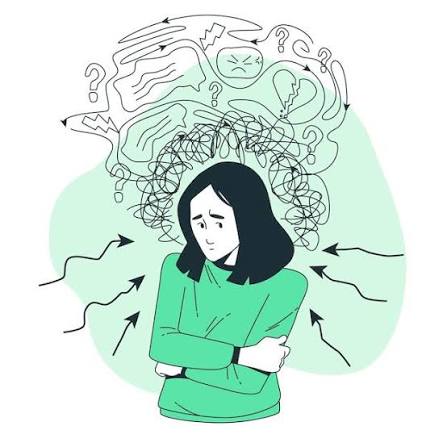



In Zimbabwe, limited access to professional mental health services has led to a unique and innovative solution: community-based care. With a shortage of psychiatrists and psychologists, many Zimbabweans rely on locally trained lay counselors who provide support in everyday settings.
One widely recognized approach is the Friendship Bench initiative, where individuals can speak openly about their struggles in safe, informal spaces. This culturally grounded model has helped reduce stigma and expand access to care, particularly in underserved communities.
Despite economic challenges and limited funding, Zimbabwe continues to demonstrate how grassroots innovation can fill critical gaps in healthcare systems.
Conclusion:
Zimbabwe’s experience shows that innovation and community trust can succeed where resources are scarce—offering a model that other nations can learn from.
About The Author