

Understanding Anxiety in Youth
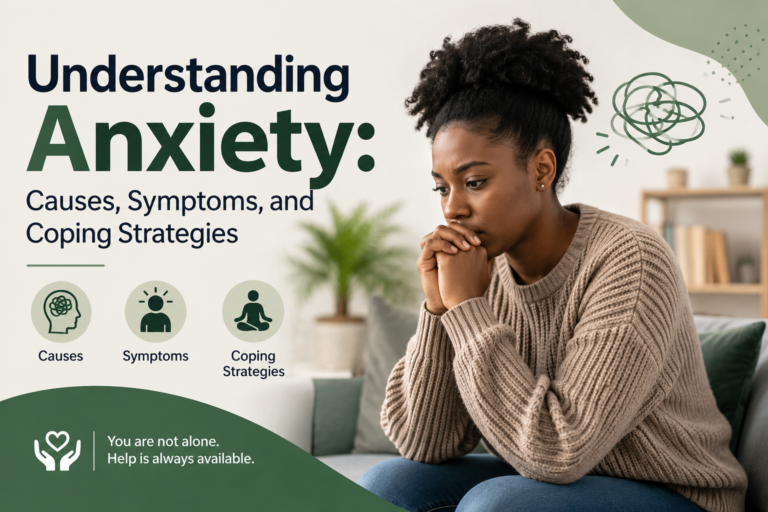
Youth anxiety is an escalating concern across the globe, including Africa where awareness is still burgeoning. With pressures from academic demands, social interactions, and personal development, young individuals face numerous stressors that contribute to anxiety.
What is Youth Anxiety?
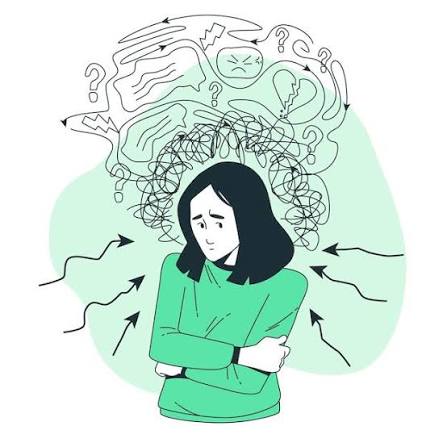
Youth anxiety refers to the excessive and often uncontrollable worry experienced by children and teenagers. This emotional state can impact various aspects of a young person’s life, including their social interactions and academic performance.
Signs of Anxiety in Children
Recognizing the signs of anxiety early is crucial. Common symptoms include excessive worrying, irritability, difficulty concentrating, and physical symptoms like headaches and stomachaches.
Anxiety Treatment for Teens
Treatment options vary but often include therapy, medication, or a combination of both. Cognitive-behavioral therapy (CBT) is particularly effective in helping teens develop coping strategies. The World Health Organization provides guidance on mental health support for adolescents.
Parenting a Child with Anxiety
Being a parent to a child with anxiety requires patience and understanding. Effective communication, along with awareness of triggers, can significantly aid in reducing anxiety levels.
Learn more about parenting tips.
Coping Strategies for Youth Anxiety
Implementing and practicing coping strategies is essential for managing anxiety. Techniques such as mindfulness and relaxation exercises can be beneficial. Our resource on mindfulness techniques for youth offers great insights.
FAQs
What causes anxiety in young people?
Several factors, including genetics, environment, and personal experiences, can contribute to the development of anxiety in youth.
How can schools help with youth anxiety?
Schools can provide supportive environments and access to resources such as counseling, which promote mental well-being.
Conclusion
Understanding and addressing youth anxiety is vital for fostering healthier communities. By equipping parents, educators, and healthcare providers with the necessary tools, we can create a supportive network for young individuals.
For more regional insights, explore our sections on West Africa and East Africa.
About The Author