


In Senegal, the mental health crisis reveals a more painful reality—one shaped by social pressure, stigma, and policy gaps.
Reports indicate a worrying rise in suicide risks, particularly among women and young people. Behind these statistics are stories of individuals struggling with violence, discrimination, and the burden of societal expectations.
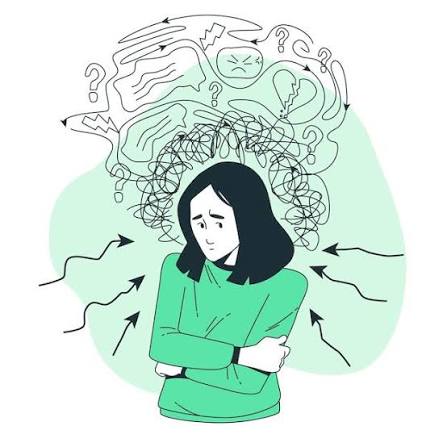
Mental health services remain limited, and for many, seeking help is not just difficult—it is discouraged. Cultural norms often frame mental illness as weakness or spiritual failure, pushing sufferers into isolation.
In some cases, legal and social environments further intensify emotional distress, especially for marginalized groups. The result is a silent crisis, where those in need of help are left unseen and unheard.
What makes this situation particularly alarming is not just the lack of resources, but the lack of conversation. Without open dialogue, awareness, and protective policies, the cycle of suffering continues unchecked.
Senegal’s story is a stark reminder that mental health is deeply connected to human rights, social inclusion, and dignity.
About The Author