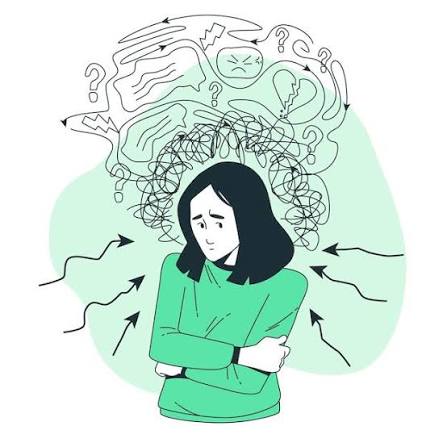



In offices across South Africa—from Johannesburg’s corporate towers to small businesses in Cape Town—a silent crisis is unfolding. Young professionals, once driven by ambition and opportunity, are now grappling with burnout, anxiety, and emotional exhaustion at alarming rates.
Mental health advocates warn that the pressures of economic instability, rising living costs, and persistent unemployment fears are taking a psychological toll on workers. For many, the fear of losing a job outweighs the need to seek help, creating a culture where stress is normalized and suffering is hidden.
“I work long hours every day, but I’m constantly afraid it’s not enough,” says a 28-year-old marketing executive who asked to remain anonymous. “You can’t afford to look weak in this economy.”
While some large corporations have begun introducing wellness programs and counseling services, access remains uneven. Small and medium-sized enterprises—where a significant portion of the population is employed—often lack the resources to provide structured mental health support.
Experts also point to stigma as a major barrier. In many workplaces, discussing mental health is still seen as a sign of weakness rather than a legitimate health concern. As a result, employees continue to suffer in silence, leading to reduced productivity, strained relationships, and, in severe cases, long-term psychological damage.
The situation raises urgent questions about the future of work in South Africa: Can productivity truly thrive in an environment where mental well-being is neglected? And who bears responsibility—the employer, the government, or society at large?
About The Author