


In the aftermath of devastating floods and environmental shocks, Morocco is confronting a second, less visible disaster: a mounting mental health crisis among survivors.
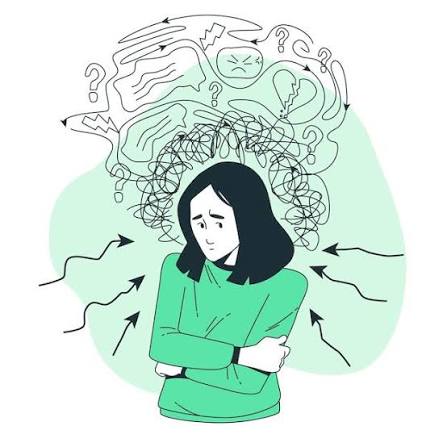
From the northern regions to affected rural settlements, thousands of families are not only rebuilding homes but also coping with trauma, grief, and loss. Children who witnessed destruction firsthand are showing signs of emotional distress, while adults struggle with anxiety over uncertain futures.
Mental health specialists warn that disaster response efforts have largely focused on physical reconstruction, leaving psychosocial support underfunded and overlooked. In communities near Tangier and beyond, access to trained counselors remains scarce.
Humanitarian organizations are stepping in, but the scale of the need far exceeds current capacity. Experts emphasize that without sustained mental health interventions, the long-term impact could hinder recovery, deepen poverty, and strain social cohesion.
As Morocco rebuilds its infrastructure, there is a growing call to also rebuild emotional resilience, ensuring that recovery is not just physical—but truly human.
About The Author