

Introduction
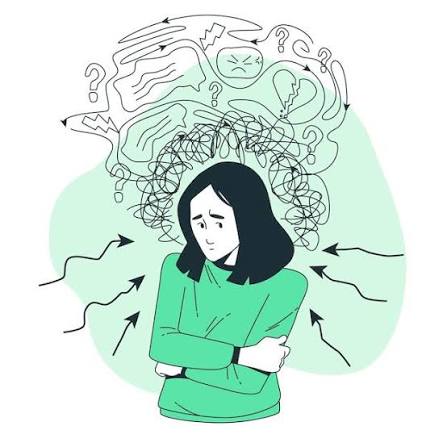
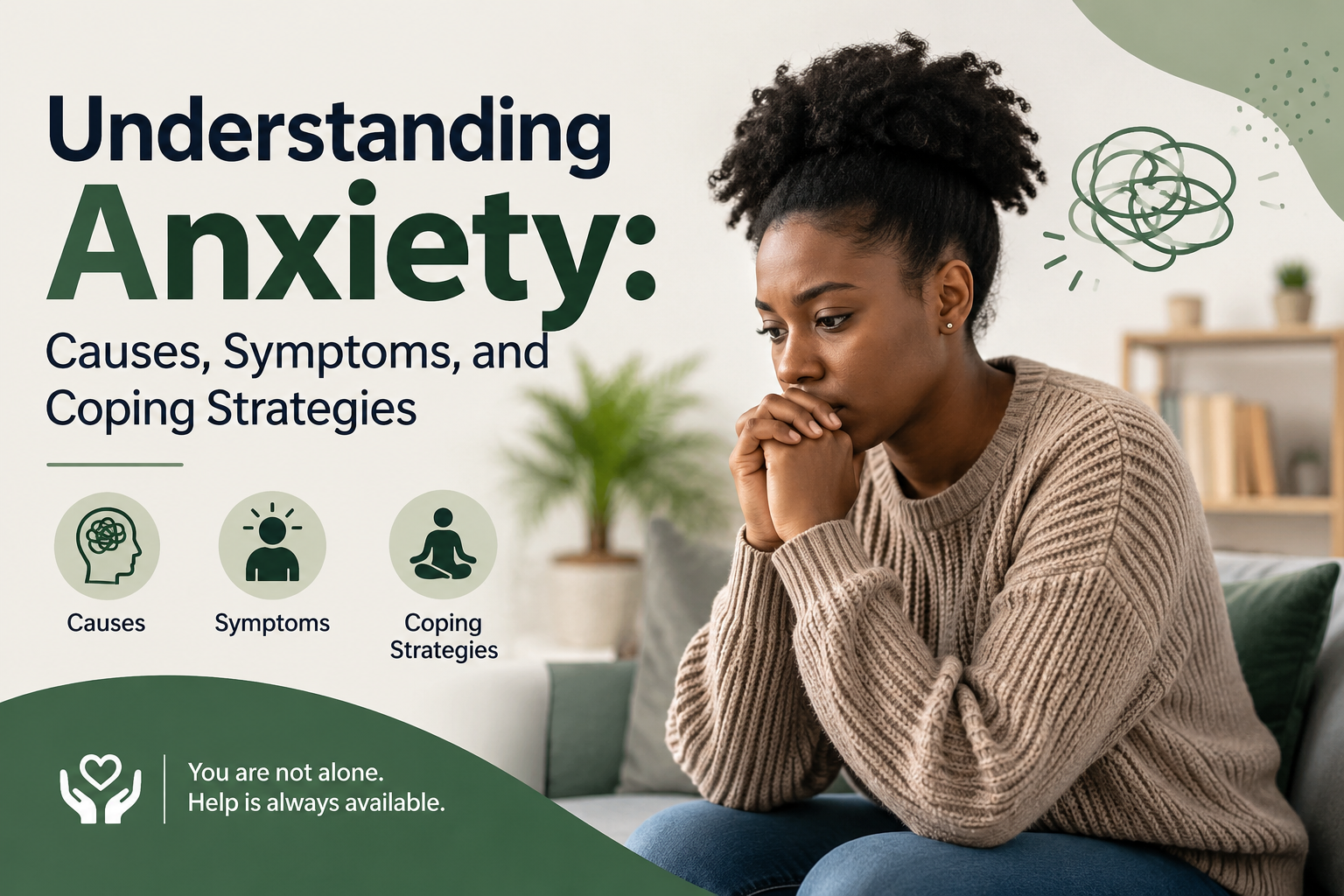
Anxiety is a common mental health issue that affects millions worldwide. Understanding anxiety, including its causes and symptoms, is crucial for effective management. By learning how to cope with anxiety, individuals can lead healthier, more balanced lives.
Causes of Anxiety
Anxiety can be triggered by various factors, including genetics, brain chemistry, and life events. According to the National Institute of Mental Health, family history and environmental stressors play significant roles in its development.
Anxiety Symptoms
Recognizing anxiety symptoms is the first step in understanding this condition. Common symptoms include excessive worry, restlessness, and physical symptoms like increased heart rate. Learn more about how anxiety affects different regions across Africa.
Types of Anxiety Disorders
Anxiety can manifest in various forms, such as Generalized Anxiety Disorder (GAD), Social Anxiety Disorder, Panic Disorder, and more. Each has unique symptoms and requires specific management strategies. Explore our in-depth article on different types of anxiety disorders.
How to Cope with Anxiety
Effective anxiety management techniques can make a significant difference. Techniques such as mindfulness, regular exercise, and therapy are recommended by the World Health Organization.
Anxiety Management Strategies
Developing a personalized approach to anxiety management can enhance well-being. Techniques include:
- Practicing deep breathing exercises
- Engaging in regular physical activity
- Seeking professional therapy and support
Discover more about anxiety management techniques.
FAQs
What are common anxiety triggers?
Triggers can vary but often include stress from work or relationships, traumatic events, and health concerns.
How does anxiety impact daily life?
It can affect concentration, mood, and relationship dynamics, potentially leading to further mental health challenges.
What is the connection between anxiety and depression?
Anxiety and depression often coexist, and understanding their connection can aid in comprehensive treatment.
Conclusion
Understanding anxiety is essential for managing its impact on mental health. By recognizing symptoms, identifying causes, and implementing effective coping strategies, individuals can lead more balanced lives. For more insights, explore the American Psychological Association resources on anxiety.
About The Author