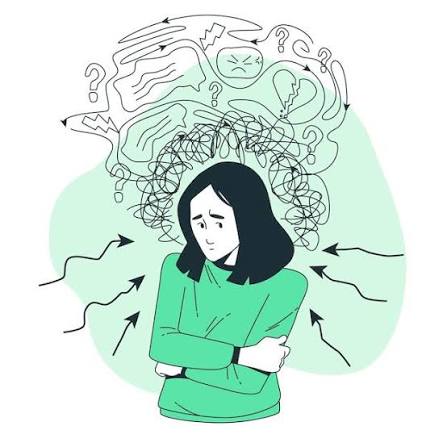



In Nigeria, where mental health services remain scarce and often unaffordable, a quiet revolution is taking place—not in hospitals, but on smartphones.
Young people are increasingly turning to AI-powered chatbots for emotional support. At 2 a.m., when anxiety peaks and no therapist is available, these digital companions respond instantly—offering comfort, guidance, and sometimes, the only listening ear a person has.
For many, this is more than convenience; it is necessity.
The country faces a severe shortage of trained mental health professionals. Combined with cultural stigma and economic hardship, seeking traditional therapy is often out of reach. In this vacuum, technology steps in—not as a perfect solution, but as a lifeline.
Yet, beneath this innovation lies a troubling question:
Can artificial intelligence truly understand human pain?
Experts warn that while chatbots may provide temporary relief, they cannot replace the depth, empathy, and ethical responsibility of human therapists. There are also growing concerns about data privacy, misinformation, and the risk of individuals relying entirely on unregulated digital care.
Still, for many Nigerians, the choice is not between AI and human therapy—it is between AI and silence.
About The Author