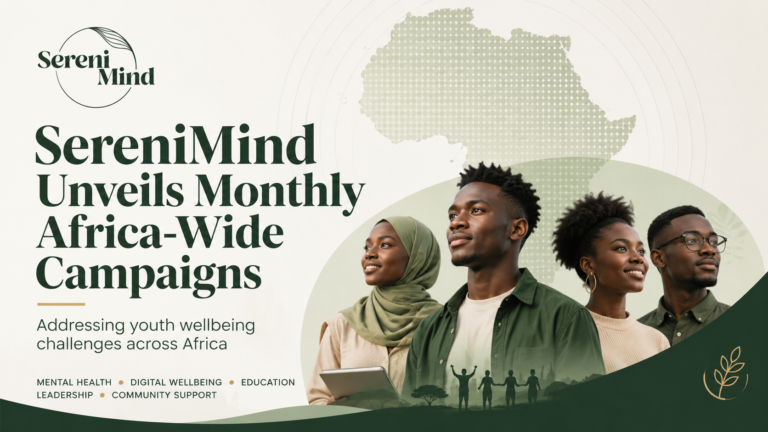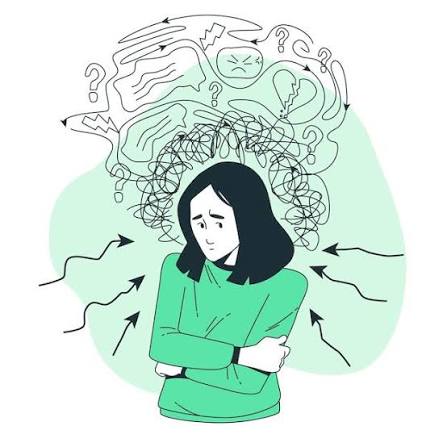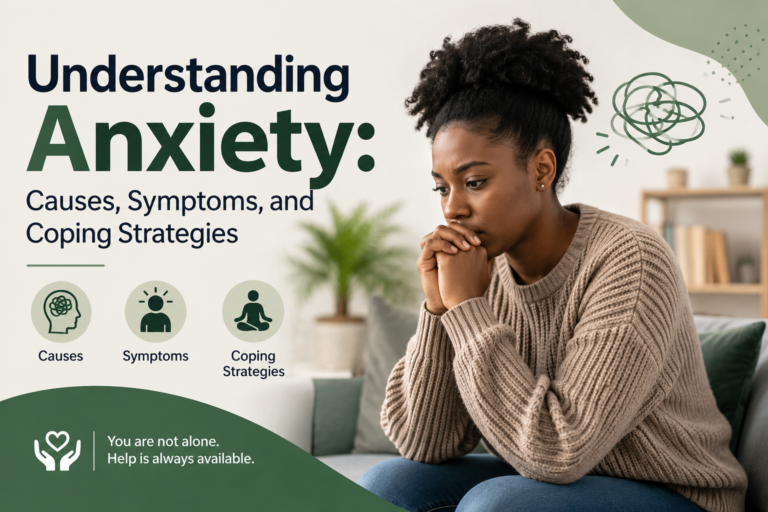


In recent years, a quiet but powerful shift has been unfolding across Nigeria. Young people, long pressured by social stigma and cultural silence, are beginning to speak openly about mental health challenges ranging from depression and anxiety to trauma caused by unemployment and economic instability.
Mental health advocates say the change is being driven largely by youth-led conversations on social media, university campuses, and community forums. Platforms such as podcasts, online therapy initiatives, and awareness campaigns have created safe spaces for young Nigerians to share their experiences without fear of judgment.
However, experts warn that awareness alone is not enough. According to the World Health Organization, Nigeria still faces a severe shortage of mental health professionals, with fewer than 300 psychiatrists serving a population of over 200 million people.
Civil society organizations are now calling on the government to increase funding for mental health services and integrate mental health education into school curricula. For many Nigerian youths, the conversation is no longer about hiding mental struggles—it is about building a society where seeking help is seen as strength rather than weakness.
About The Author