

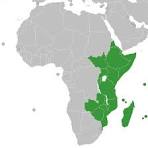

I grew up in a small town in East Africa where people don’t talk much about the mind. If you
are sick, they expect to see it on your body. If they can’t see it, they tell you to be strong and
move on.
For a long time, I thought what I was feeling was just tiredness. I would wake up already
exhausted. My thoughts felt heavy, like I was carrying a load no one else could see. Some days I
wanted to be alone, but being alone made it worse. Other days I wanted to talk, but I didn’t
know how to explain what was happening inside me.
At home, I was told to pray more. At work, I was told to try harder. Friends said, “You look
fine,” and I started to believe that maybe I was the problem. I smiled in public and struggled in
private.
The hardest part was the silence. Mental health is rarely discussed in my hometown. When I
finally said I needed help, some people laughed, and others were uncomfortable. A few said I was
weak. That hurt more than the illness itself.
Things slowly changed when I met a healthcare worker who listened to me without judgment.
For the first time, someone explained that mental health challenges are real and that they can
affect anyone. I learned simple ways to manage my thoughts, to rest without guilt, and to
speak kindly to myself.
I am not “fixed,” but I am better. I still have difficult days, but now I understand what is
happening to me. I have learned that asking for help is not shameful. It is a form of strength.
My story is not unique. Many people in East Africa are quietly fighting battles in their minds,
afraid to speak because of stigma or lack of support. I share my story so others can know they
are not alone—and that healing begins when we listen, care, and talk openly.
About The Author