

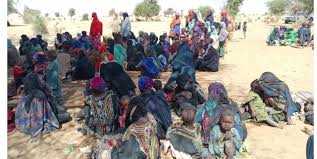

Recent news and humanitarian reports indicate a dire mental health situation in the Republic of Niger, largely driven by ongoing insecurity, political instability following the 2023 coup, and resource scarcity. The ongoing humanitarian crisis has significantly increased the vulnerability of millions, exacerbating existing mental health conditions and limiting access to vital support services.
Key Issues and Developments
* Humanitarian Crises Amplify Vulnerability: The political and security crises, including banditry and insurgent activities, have led to mass displacement, food insecurity, and a lack of access to basic healthcare services. These factors are significant triggers for mental health conditions such as post-traumatic stress disorder (PTSD), depression, and anxiety.
* Significant Treatment Gap: The gap for mental health treatment in low- and middle-income. Countries like Niger is already high ( between 65% and 90%) and become even greater during emergencies. Many individuals with mental challenges in Niger do not receive professional care due to stigma, lack of facilities, and a paucity of mental health professionals.
* Trauma Among Vulnerable Populations: Specific incidents, such as the plight of orphaned girls who lost parents to banditry, have highlighted significant concerns regarding the long-term psychological well-being of victims of violence. Displaced Persons, especially those released from captivity, have reportedly died from untreated trauma disorders.
* Response Efforts and Challenges: Aid organizations, including the International Organization for Migration ( IOM) and others, are working to integrate mental health and psychosocial support (MHPSS) into humanitarian responses. These efforts involve community-based support, trauma counselling, and awareness campaigns, though they often face challenges such as limited resources and insecurity.
* Government and Partner Initiatives: In October 2025, national authorities and partners joined forces for World Mental Health Day in Niamey to raise awareness and discuss improving mental health care services in Niger, focusing on reducing stigma and integrating services into primary healthcare.
Overall, the mental health landscape in Niger is one of urgent need, where political and security instability are creating a silent epidemic of mental health issues among the population, particularly the most vulnerable.
About The Author