



1. Why do people gamble?
Usually looking for the proverbial goose that would lay the golden egg.
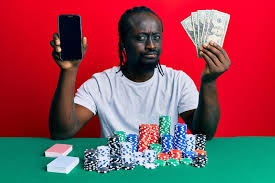
People have different reasons for engaging in several activities. Sometimes people gamble because they are hoping to hit the jackpot and provide a better life for themselves and their families outside beyond what their possible limitations putting into considering their present socioeconomic position allows. It may be just a chance of winning big money in short. Some others gamble because it is fun, and they use that avenue to socialize with friends and peers. To people who see gambling as fun, they could also maybe describe it as exciting and thrilling. Gambling can be a hobby or a pastime for some people, and it can be used to potentially escape boredom or fill pockets of time. Some people gamble because if they do not play, then there would be no possibility of winning any money, and this could be described potentially as ‘Nothing ventured, nothing gained”, Some others see gambling as a competitive sport with peers and would make it about being the competition of who won the highest on a stake. There could be a sense of achievement attributed to winning when you gamble, and sometimes people gamble to impress other people. Some people use gambling to escape stress.
2. Why are people addicted to gambling?
Problem gambling could also be known as Compulsive gambling or gambling addiction.
This is usually when the habit of gambling becomes largely uncontrollable and compulsive, and it causes financial distress with potential sociolegal complications, for instance, debts that one can never have the capacity to repay.
Several things could potentially lead people to become addicted to gambling, but note that there is an overlay, and it is not dichotomous. There can definitely be more than one reason why one would gamble.
- Having close relatives, especially parents, who gamble
- If people are introduced to gambling at a very young age
- Peer pressure from friends
- When people have a competitive personality, and would always want to win.
- Some medications can cause gambling behavior as people tend to be more compulsive on these medications. Examples of these medications are steroids and medications to treat Parkinsonism.
To fully understand why people are addicted to gambling, us to shed some more light on a part of the brain called the reward center. Gambling affects this part of the brain that releases a ‘feel-good’ hormone called dopamine, which creates a feeling of pleasure and reward.
You will be deemed to have a problem with gambling if you
- Gamble away more money than you can afford
- Gamble when you should be working or doing something else is termed as potentially more productive and regarded as a stream of income.
- If you feel anxious or stressed about gambling
- If you find it difficult to deal with your feelings or emotions, and the only way you can cope is by gambling
- If you lie to family and friends about your gambling habits
- If you borrow or steal money to fund your gambling habit. Some people would commit crimes to fund their gambling habit.
Sometimes people try to go back to win money they have lost, and their gambling habit would then go out of control. Other times, people cannot stop thinking about gambling as they cannot stop thinking about the adrenaline rush and excitement that comes with gambling. Some people would have tried to stop gambling and would have made unsuccessful attempts at quitting. There may also have been the loss of a relationship or a job due to gambling habits.
3. What are the mental health effects of gambling on addicts?
Gambling can cause low self-esteem, anxiety, stress, depression, and sometimes suicidal thoughts or behaviors if it becomes a problem. There is a strong link between gambling problems and suicide. If you have ever had thoughts of ending your life and you cannot keep yourself safe, please seek support from your family and friends, speak to your doctor for help if you are struggling with a low mood, and together formulate a safety plan to keep you safe. Most importantly, it is time to seek financial advice on how to realistically put a timeline to paying off your debt.
4. How can people who gamble quit the habit?
Support for people who have a problem with gambling varies from country to country. However, some actions can help despite the presence or the lack of infrastructure or services dedicated to helping people with problem gambling.
Quitting begins with the realization that there is a problem that requires a solution. Most people will try to seek help when there is financial distress, or they have lost a relationship with their significant other, or gambling affects their social functioning, and they eventually lose their job.
Support from family and friends is very important. Asking a close family member or friend to help you with your finances, such as monitoring what you spend, can be helpful. Being accountable can be helpful, and they must know that they have to be truthful about their expenditure and income if they really need help with gambling habits.
Handing your financial cards and uninstalling all financial/payment apps on your devices could also be helpful, as you need to limit.
With the development of information technology, gambling now occurs both online and offline. Therefore, blocking sites and gambling advertisements on your mobile devices may be helpful.
Joining groups of people who have had lived experiences of gambling and have been working towards stopping. If there is no group available, one can think about starting the group and looking for individuals who need help.
Speak to a financial advisor and put a plan in place for payment of all debts, and how to stop yourself from incurring more debt
Ban yourself from physical casinos.
5. Can therapy help addicts to kick the habit permanently?
There’s evidence that gambling can be successfully treated in the same way as other addictions.
There is a kind of talking therapy called Cognitive Behavioral Therapy, which is helpful and has the best results. Cognitive Analytic Therapy has also been helpful. Talking therapy deals with the ‘here and now,’ and this therapy can be delivered face-to-face or online via several platforms. The treatment required may be cognitive restructuring, as some people may think differently about betting than others. They may believe they are more likely to win when they engage in certain behaviors that will bring them luck.
Talking therapy will look at all of these thoughts and behaviors, and beliefs around gambling, and how these can be changed or redirected to help you eventually stop gambling. Therapy uses a process of exposure to the behavior you want to unlearn and teaches you skills to reduce your urge to gamble.
The latter part of therapy has to do with maintenance and relapse prevention. People have varied responses to both treatment and stressors. Treatment aims to ensure that, whatever the stressor may be that one would not go down the slippery slope to start problem gambling again.
References
British Gambling Prevalence Survey
Dr Jide Jeje is a specialist in psychiatry working in the Southern gambling and addiction services in Southampton United Kingdom.
About The Author