

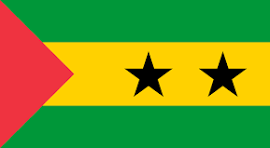

São Tomé and Príncipe — Off the coast of Central Africa, the island nation of São Tomé and Príncipe is often celebrated for its calm waters and peaceful society. Yet beneath this serenity lies a silent mental health challenge shaped by poverty, limited healthcare access, and social vulnerability — even as new national and international efforts signal cautious hope.
Recent developments reveal that mental health concerns in the country are deeply intertwined with daily survival. With an estimated quarter of the population living below the international poverty line, constant financial pressure has become a significant driver of anxiety, depression, and emotional distress. Women and children, in particular, bear the heaviest burden, facing domestic instability, early pregnancy, and limited psychosocial support.
In response, the government’s National Health Development Plan (PNDS 2023–2032) has emerged as a critical policy shift. Backed by the World Health Organization, the plan seeks to strengthen health systems through better coordination, prevention, and resilience-building — with mental health increasingly recognized as a core component rather than an afterthought. While implementation remains gradual, experts view this as a vital step toward integrating mental health into primary care.
Children’s mental wellbeing has also moved closer to the center of public discourse. Advocacy groups and health experts have welcomed awareness campaigns aimed at protecting children from abuse and psychological harm, alongside ongoing reviews of laws related to domestic violence. However, gaps persist. Shelters for victims remain scarce, and many girls facing early pregnancy still lack counseling and long-term support, raising concerns about intergenerational cycles of trauma.
For the elderly, isolation poses a different but equally serious threat. The São Tomé and Príncipe Red Cross has responded by running social centers that provide companionship, care, and routine engagement for older adults. These initiatives, though limited in reach, have proven essential in addressing loneliness and depression among seniors who often feel forgotten in a rapidly changing society.
Stigma continues to shadow progress. Cultural silence around mental illness discourages many from seeking help, while the country’s underfunded health system struggles with a shortage of trained mental health professionals. As a result, care remains inaccessible for many, particularly in rural communities.
Adding to these pressures are emerging stressors linked to climate change and lifestyle shifts. Food insecurity, rising obesity rates, and environmental uncertainty are increasingly recognized as factors affecting psychological well-being, reinforcing calls for a more holistic mental health approach that connects health, education, climate resilience, and human rights.
Despite these challenges, São Tomé and Príncipe is not standing still. International partnerships with organizations such as WHO and the International Federation of Red Cross and Red Crescent Societies continue to support policy reform, training, and service delivery. Yet experts agree that lasting progress will depend on sustained investment, local capacity-building, and community trust.
As the nation works to strengthen its health system, one message grows clearer: mental health is no longer a silent issue on these fragile shores. It is a shared responsibility — one that requires attention, empathy, and long-term commitment to ensure that wellbeing extends beyond physical health to the mind itself.
About The Author