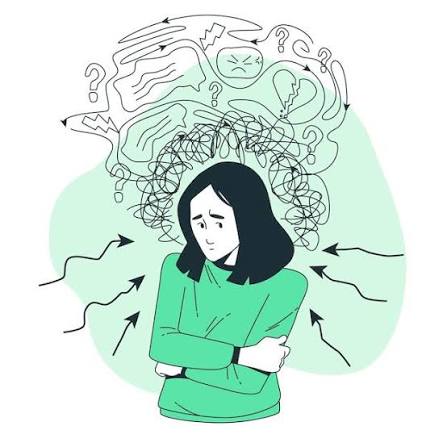



In many African communities, distress is often described through the body before it is described through emotion. A person may not say, “I feel anxious.”Instead, they say: “My chest is tight.”I cannot sleep.”My body is not settled.”There is heat in me.
”These expressions are not vague or exaggerated. They are often precise descriptions of lived experience. But what they mean—and how they are understood—depends on the language and beliefs available to interpret them. The body as a carrier of experience. In clinical practice, it is common to encounter patients presenting with physical symptoms that do not have a clear medical explanation. These may include:- persistent headaches- chest discomfort- gastrointestinal problems- chronic fatigue- sleep disturbance.
Investigations are often normal. And yet, the suffering is real. In many settings, these symptoms are attributed to “stress” or “thinking too much.” While this is not entirely inaccurate, it often underestimates the complexity of what is happening. In some cases, the body is expressing the effects of unprocessed psychological experience—particularly trauma. Trauma is not always remembered as a story. Sometimes it is experienced as a state. When the body remembers without words, human beings process overwhelming experiences in different ways. When an experience is too intense, too prolonged, or occurs in a context where there is no opportunity to make sense of it, it may not be stored as a coherent narrative memory. Instead, it may be encoded in the body. This can affect systems involved in:- arousal (feeling constantly “on edge”)- sleep regulation- muscle tension- digestion- heart rate.
Over time, individuals may begin to experience persistent physical symptoms without a clear understanding of their origin. Importantly, this is not an imagined illness. It is the body responding to patterns it has learned—often in response to past threat, instability, or emotional distress. Cultural interpretations of distress. The sensations produced by the body do not come with an explanation. They are interpreted. And interpretation is shaped by culture. In many African contexts, physical and emotional distress is often understood through spiritual or external frameworks. Symptoms such as palpitations, unexplained pain, or restlessness may be described as:- spiritual attack- ancestral disturbance- curses or spiritual influence. Within these belief systems, the distress is recognised as real, but its source is located outside the individual. This influences how help is sought. Individuals may turn to:- prayer- deliverance- traditional or spiritual intervention- community-based support. These responses can provide meaning, comfort, and a sense of containment. For many people, they are an important part of coping.
However, they may not always address the underlying psychological processes contributing to the symptoms. The risk of misinterpretation. When all distress is explained through a single framework—whether purely physical or purely spiritual—important aspects of the person’s experience may be missed. A person presenting repeatedly with chest tightness may be treated only for hypertension, while underlying anxiety remains unrecognised. Someone experiencing chronic restlessness may be told they are under spiritual attack, without any exploration of trauma, grief, or sustained stress. Over time, this can lead to:- delayed access to appropriate care- worsening symptoms- frustration for both patient and clinician- reinforcement of stigma around psychological explanations. The issue is not that cultural or spiritual interpretations are wrong. It is possible that they may be incomplete.
Bridging understanding and reducing mental health stigma in African communities requires more than introducing diagnostic labels. It requires expanding how distress is understood. This means recognising that:- physical symptoms can have psychological origins- psychological distress can be expressed physically- cultural beliefs shape how symptoms are interpreted and managed. Rather than replacing one explanatory model with another, a more helpful approach is integration. A patient may find comfort in prayer and also benefit from psychological therapy. A family may understand distress within a spiritual framework while also recognising the role of trauma and emotional strain. Clinicians, too, have a role in bridging these perspectives—listening carefully to how patients describe their experiences, and offering explanations that do not dismiss their beliefs but gently expand understanding. Listening differently. A small shift in questioning can make a significant difference. Instead of asking only:“What is wrong with you?”It may be more helpful to ask: “When did this begin?” What was happening in your life at the time?”How does your body respond in different situations?”These questions create space for connection between symptoms and experience. They also reduce blame. Because when symptoms are understood as responses rather than failures, individuals are less likely to feel judged. Toward a more complete view, mental health in African contexts cannot be addressed effectively without acknowledging the role of culture, history, and lived experience. Not every physical symptom is purely medical. Not every form of distress is purely spiritual. Many lie at the intersection.
When we begin to recognise that the body can carry experiences that were never spoken—and that these experiences may be expressed in culturally meaningful ways—we move closer to a more complete understanding of mental health. And with that understanding comes the possibility of more effective, compassionate care.
Dr Nnamdi Nwogwugwu is a Consultant Psychiatrist. He is a British-Nigerian Consultant Psychiatrist with experience in forensic and neurodevelopmental psychiatry. He is the author of Once Upon a Time in the Shadows of War and Winter, a novel exploring memory, identity, and the long shadows of silence across generations.
About The Author