


On a Friday night in Lagos, Nairobi, Accra, Kampala, Johannesburg, the ritual looks the same: a phone screen, a football fixture, a tiny stake, and a big dream. Betting companies sell it as harmless fun or “side income.” But for a growing number of African youths, betting is not entertainment. It is a second economy, a psychological trap, and, too often, a quiet route into anxiety, depression, and despair. Start with how normalised it has become. A 2024 GeoPoll survey across six countries (Ghana, Kenya, Nigeria, South Africa, Tanzania, Uganda) found that 76.16% of respondents reported having placed bets; Kenya stood out at 82.81%, with South Africa 73.94%, Ghana 73.03%, Uganda 71.43%, Tanzania 71.13%, and Nigeria 65.32%. That is not a niche hobby. That is a mass behaviour. And mass behaviour becomes a mass problem when it is engineered for frequency.
Sports betting has moved from weekend shop visits to 24-7 mobile access: instant deposits, constant odds, flashy “boosts,” and the illusion that football knowledge equals control. The result is not just money lost; it is time, attention, sleep, and dignity traded away, especially by young men facing unemployment, underemployment, or stagnant wages. Nigeria shows the scale and the storyline. NOIPolls reported that about 60 million Nigerians aged 18 to 40 are involved in active sports betting, and cited an average daily spend of about ₦3,000 per bettor. Whether every figure is perfectly measured or not, the direction is undeniable: betting has become one of the most accessible “economic activities” for young people, precisely because real economic opportunities are scarce. That is why this crisis cannot be solved by moralising. If you treat it as “youths being careless,” you will miss the structural fuel: poverty, joblessness, and hopelessness.
Kenya illustrates how fast a betting culture can become a public alarm. An investigation based on leaked regulator figures reported over KSh 30 billion wagered in a single month. In 2025, Kenya’s Betting Control and Licensing Board announced a 30-day suspension of gambling advertisements amid concerns about proliferation and the way gambling is framed as a legitimate path to money. When a state starts pulling ads, it is admitting something important: the market is not “self-regulating.” It is recruiting. In addition, South Africa’s numbers are even more sobering. Recent reporting citing the National Gambling Board’s briefing to Parliament placed total gambling turnover at R1.5 trillion in the 2024/25 financial year. Whatever one thinks about gambling as “choice,” those totals point to a system that can swallow household income at national scale, especially when online betting expands faster than protections. Uganda and Ghana show another uncomfortable truth: governments benefit financially even when families lose. In Uganda, reporting cites total wagers around $2.1 billion and government collections rising to UGX 323 billion in 2024/25, with mobile betting dominating activity. Ghana-focused research also documents rising youth involvement and the mental-health link: a 2024 study highlights growing prevalence and frames gambling as a public health concern among youth.
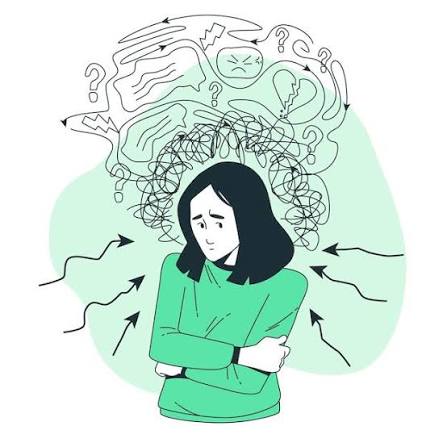
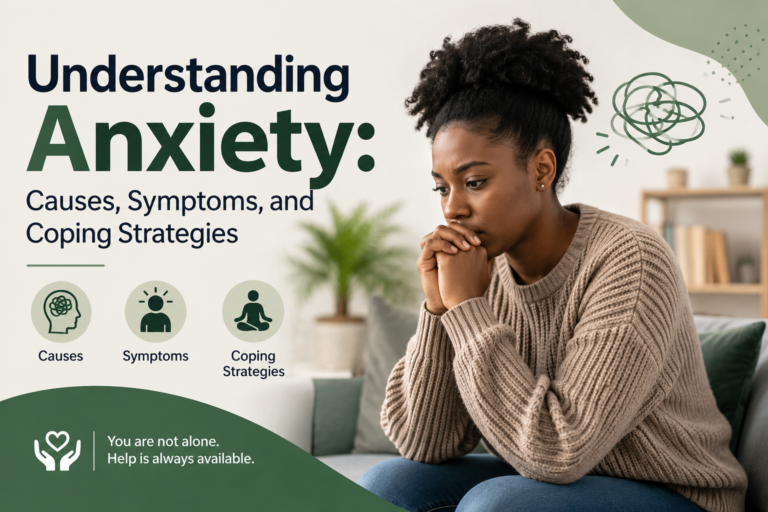
Now to the hardest part: the mental toll. Gambling disorder is not just “bad spending.” It is associated with stress, anxiety, depression, and in extreme situations, suicidal behaviour. In East Africa, a peer-reviewed study examining gambling-related suicides in East African Community countries identified 18 cases reported in the public domain, concentrated in Kenya, Uganda, and Tanzania, with young men heavily represented and soccer betting commonly involved. No sensationalism is needed here. The message is already brutal: betting losses can become psychologically catastrophic when a young person ties their identity, future plans, or school fees to the next win.
So why does this keep spreading? Because the industry’s business model fits perfectly into today’s African youth reality:
- High aspiration, low mobility: betting becomes a fantasy ladder out of hardship.
- Always-on mobile life: micro-bets turn boredom into compulsion.
- Aggressive marketing: influencers, jersey sponsorships, and “free” bonuses normalise risk.
- Weak consumer protections: age verification, deposit limits, and ad controls often lag behind innovation.
If you want this editorial to land, be direct about responsibility. Yes, individuals make choices, but choices are shaped by design and environment. A teenager with no job prospects and constant betting ads is not making decisions in a neutral marketplace. The “freedom” is rigged.
What should change?
- Treat gambling harm as public health. Fund prevention, counselling, and addiction services the way we fund other health risks, using levies on betting profits and ad budgets.
- Regulate advertising like a dangerous product. Kenya’s ad suspension is a signal. Restrict ads during sports programming, ban youth-targeted influencer promotion, and enforce prominent harm warnings.
- Force real friction into betting apps. Mandatory deposit limits, loss limits, cooling-off periods, and self-exclusion that actually work, across platforms, not one app at a time.
- Protect students. Universities and secondary schools should run financial literacy and behavioural-risk education that addresses betting specifically, not vaguely.
- Don’t hide behind tax revenue. Governments cannot celebrate collections while ignoring ruined households. If betting is taxable, then harm reduction must be budgeted, not promised.
African youth do not need another lecture about “quick money.” They need systems that stop monetising their desperation. Betting is not just ruining wallets; it is quietly crushing confidence, relationships, academic futures, and mental health. The continent cannot build prosperity by turning a generation’s hope into a revenue stream.
About The Author