


Luanda, Angola — Mental health in Angola is facing a deepening crisis, as severe shortages of trained professionals collide with rising psychological distress across communities in Central Africa. Despite growing awareness and emerging initiatives, millions of Angolans remain without adequate access to mental health care.
Angola currently records one of the lowest mental health workforce ratios in Africa, with approximately 0.06 psychiatrists and 0.18 psychologists per 100,000 people. This alarming gap, driven largely by brain drain and chronic underinvestment, has left public health facilities overstretched and communities underserved.
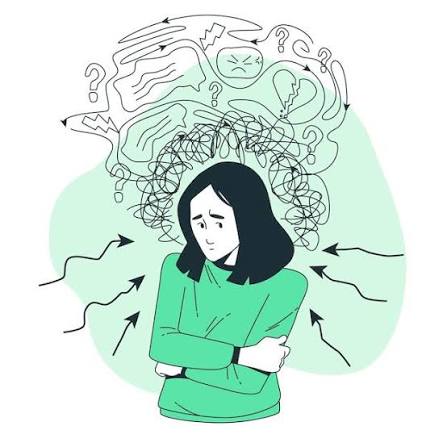
The demand for mental health services has intensified in the post–COVID-19 era. Anxiety, depression, and trauma-related disorders have surged, particularly among children, survivors of violence, and frontline healthcare workers. Experts warn that without urgent intervention, the psychological impact could further undermine social stability and productivity.
In response, organizations such as UNICEF, WHO, and UNDP are supporting innovative but still limited interventions. Trauma-informed programs like Community Led Trauma Resilience (CRIM©) workshops are equipping social workers, educators, and health professionals in Luanda with practical tools to support affected individuals. These initiatives aim to strengthen resilience at the community level, where formal psychiatric services are often unavailable.
Digital solutions are also emerging as a promising pathway. UNICEF and WHO have advocated for telemedicine and mental health chatbots to reduce stigma and expand access, especially in remote areas. While similar pilots have shown success in other African countries, Angola’s digital mental health ecosystem remains in its infancy.
However, systemic challenges persist. Mental health receives only a minimal share of national health funding, and Angola lacks a dedicated mental health budget line. Services remain fragmented, with no comprehensive national mental health strategy, a gap repeatedly highlighted by international partners.
Healthcare workers themselves are not spared. Poor working conditions, low pay, and emotional exhaustion have placed many professionals under intense psychological strain, further weakening an already fragile system.
Development partners, including the African Development Bank Group, continue to emphasize that untreated mental illness carries enormous social and economic costs for developing nations. Advocates argue that sustained investment, workforce development, and integrated policies are essential if Angola is to close its mental health gap.
As Central Africa grapples with overlapping public health and social challenges, Angola’s mental health crisis serves as a stark reminder that psychological well-being is not a luxury but a necessity. Without decisive action, the silence surrounding mental illness may continue to cost lives, livelihoods, and futures.
About The Author