

In the heart of Central Africa’s Atlantic waters, São Tomé and Príncipe is facing a silent but growing public health concern: mental health. While the island nation is often celebrated for its serenity and small, close-knit communities, recent developments reveal a mental health system under strain, challenged by limited resources yet sustained by emerging community-based efforts.
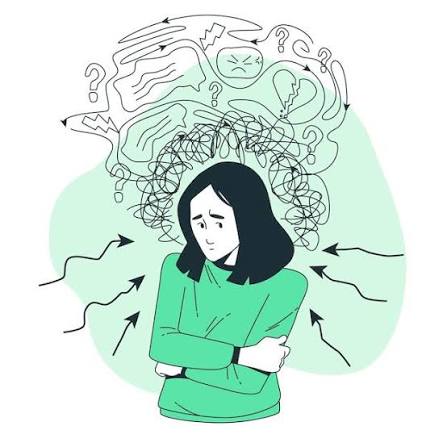
Across the country, mental health care remains constrained by a severe shortage of trained professionals and specialized facilities. For many citizens experiencing anxiety, depression, or substance-related disorders, access to formal care is limited or, in rural areas, almost non-existent. This scarcity is further complicated by social stigma, which continues to discourage open conversations and early help-seeking.
Despite these obstacles, 2025 has seen renewed momentum toward strengthening mental health responses. With technical support from the World Health Organization (WHO) and regional health partners, São Tomé and Príncipe is gradually integrating mental health into primary healthcare and broader public health planning. This approach recognizes that mental well-being cannot be separated from challenges such as poverty, non-communicable diseases (NCDs), and social isolation.
Community-level interventions are becoming a critical lifeline. The São Tomé and Príncipe Red Cross, alongside local NGOs, has expanded psychosocial support services for vulnerable groups, particularly older persons and children. Social centers providing daily meals, companionship, and basic care are not only addressing physical needs but also reducing loneliness and emotional distress—an often overlooked driver of poor mental health.
Regionally, the country is lending its voice to multi-country collaborations that link mental health with NCD prevention and social protection. By advocating for shared learning and pooled resources among African states, São Tomé and Príncipe is positioning itself as both a beneficiary and contributor to broader continental health strategies.
Looking ahead, health experts emphasize the need for improved data collection, sustained funding, and culturally sensitive awareness campaigns. Innovation—especially community-based and family-centered care—will be key to closing gaps in access and trust.
For São Tomé and Príncipe, the mental health story is one of quiet urgency but cautious hope. While systemic challenges remain deep, growing partnerships and grassroots resilience suggest that, even on a small island, meaningful progress is possible when mental well-being is treated as a shared national responsibility.
About The Author