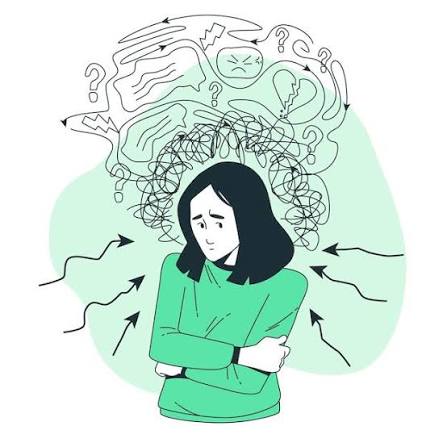



In 2025, Equatorial Guinea is facing a growing but largely unspoken mental health challenge in Central Africa, one that contrasts sharply with its image as an oil-rich nation. Beneath the surface of economic potential lies a population grappling with rising cases of depression, anxiety, substance abuse, and untreated psychological disorders, amid limited access to specialized care.
Mental health professionals and civil society observers note that economic inequality, youth unemployment, and social pressure have intensified emotional distress, particularly among young people in urban centers such as Malabo and Bata. Despite national wealth, mental health services remain underdeveloped, with only a small number of trained professionals and few dedicated psychiatric facilities serving the entire country.
Stigma continues to play a major role. Mental illness is often misunderstood or attributed to spiritual causes, leading many families to seek informal or traditional remedies rather than professional help. As a result, countless cases go undiagnosed, reinforcing what health advocates describe as a “hidden public health crisis.”
In response, 2025 has seen renewed calls for reform, aligned with broader Central African and African Union health strategies, urging Equatorial Guinea to integrate mental health into primary healthcare systems. Regional partners and international organizations are advocating for improved data collection, workforce training, and community-based awareness programs to close long-standing gaps.
There is also increasing attention on workplace mental health and substance use, particularly among young adults navigating economic uncertainty and rapid social change. Advocates argue that without early intervention, the country risks a surge in preventable mental health disorders that could undermine productivity and social stability.
As global commitments push for mental health to be treated as a core development priority by 2030, Equatorial Guinea stands at a defining moment. The challenge ahead is whether national policy will translate economic resources into accessible, inclusive mental healthcare, ensuring that the psychological well-being of its people matches prosperity.
In Central Africa, Equatorial Guinea’s story is a reminder that mental health crises do not only emerge from conflict—but also from silence, neglect, and unmet social needs.
About The Author