


In 2025, the Democratic Republic of the Congo (Congo-Kinshasa) is confronting one of the most severe mental health emergencies in Central Africa, as renewed violence continues to leave deep psychological scars across communities already exhausted by decades of conflict.
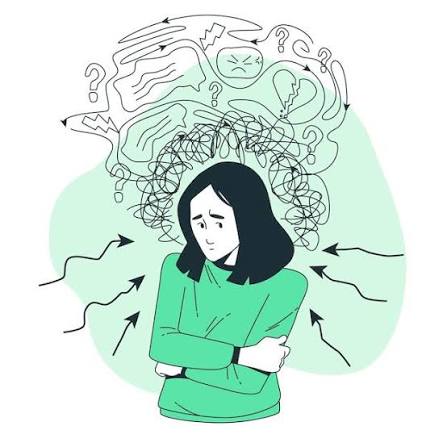
In eastern provinces such as North Kivu and South Kivu, constant exposure to armed attacks, mass displacement, sexual violence, and loss has driven a sharp rise in post-traumatic stress disorder (PTSD), depression, anxiety, and behavioral disorders, particularly among children and adolescents. Mental health experts describe the situation as an “invisible emergency”—one that silently devastates lives while remaining overshadowed by food insecurity and physical injuries.
Health facilities in cities like Goma and Bukavu are overwhelmed. With a critical shortage of trained psychiatrists, psychologists, and social workers, many survivors are left untreated. Some hospitals and clinics have been damaged, looted, or rendered inaccessible due to ongoing fighting, further restricting already limited care options.
Despite these challenges, efforts are underway to respond. In 2025, initiatives such as the Mental Health and Psychosocial Support (MHPSS) for Peace Project have expanded community-based support across conflict-affected zones. These programs focus on local counseling groups, radio awareness campaigns, and the integration of mental health services into primary healthcare—aiming to reduce stigma and reach people who would otherwise never seek help.
Community-driven approaches have shown promise, particularly for gender-based violence survivors, displaced families, and former combatants, combining cultural healing practices with structured psychosocial care. However, humanitarian agencies warn that severe funding cuts have forced the suspension of critical services, including post-rape psychological care and child trauma programs.
Access remains one of the biggest barriers. Continued insecurity and targeted attacks on health facilities make it dangerous for both patients and aid workers to reach care. Meanwhile, policy advocates stress the urgent need for a strong national mental health framework, linking psychological recovery with justice, peacebuilding, and long-term development.
As conflict intensifies in late 2025, Congo-Kinshasa’s mental health crisis stands as a stark reminder that war does not end when guns fall silent. In Central Africa, the battle for peace must also be fought in the minds of millions struggling to heal from trauma that refuses to fade.
About The Author